
Understanding Qualified versus Non-Qualified Visa Transactions
In the world of payment processing, understanding the difference between qualified and non-qualified Visa card transactions can significantly impact your business’s bottom line. This understanding is crucial for anyone involved in handling business finances, whether you’re a small business owner, a startup founder, or a seasoned marketing manager. It’s not just about knowing the terminologies; it’s about leveraging this knowledge to optimize your transaction cost analysis and select the most efficient payment processing solutions. This article breaks down the differences in simple terms, providing actionable insights to help you navigate the complex landscape of payment processing with ease.
Credit card companies, like Visa, categorize transactions into different tiers: qualified, mid-qualified, and non-qualified. These tiers are essential as they dictate the fees associated with processing each transaction. The goal for any business is to maximize qualified transactions, which incur the lowest fees. Let’s focus on qualified and non-qualified transactions to understand how they affect your processing costs and overall financial strategy.
Qualified transactions are those that meet the standard criteria set by the credit card processor. These transactions are typically seen as low-risk because they adhere to specific guidelines that ensure security and promptness. Typically, these transactions involve:
- Standard Credit Cards: The use of a basic consumer credit card without any rewards or special features. These cards are straightforward and present the lowest risk to processors.
- Swiped or Chip Transactions: Transactions where the card is physically present and swiped or inserted into a terminal. This physical presence reduces the risk of fraud significantly.
- Prompt Settlement: Immediate processing and settlement of the transaction, usually within 24 hours. Quick settlement reduces the time window for disputes or fraud.

Because they pose a lower risk to the processor, qualified transactions incur the lowest processing fees. For businesses, this means more money stays in your pocket, which can be reinvested into other areas of your operations, such as marketing or inventory.
Non-qualified transactions, on the other hand, are those that do not meet the criteria for a qualified rate. These transactions are often more complex and carry a higher risk, which is reflected in the higher fees charged by processors. These transactions typically involve:
- Rewards or Corporate Cards: Use of a card with cash back, airline miles, or other rewards. Corporate and business credit cards also fall into this category. While they offer benefits to consumers, they translate to higher costs for businesses.
- Keyed-in Transactions: Transactions where the card information is manually entered rather than swiped or inserted. Manual entry increases the risk of errors and fraud, which processors offset with higher fees.
- Delayed Settlement: Transactions that are not settled immediately, often taking more than 24 hours to process. Delays can create uncertainties and increase the risk of chargebacks.
To manage costs effectively, it’s crucial to perform a transaction cost analysis. This involves a thorough review of your current transaction types, understanding the fees associated with each, and identifying areas for improvement. By doing so, businesses can gain a clearer picture of where their money is going and how to retain more of it.
- Review Your Merchant Statement: Look at your monthly statement to identify the percentage of qualified vs. non-qualified transactions. This insight can help you understand your current fee structure and pinpoint areas where you can save.
- Understand Your Customer Base: If a majority of your customers use corporate or rewards cards, expect a higher proportion of non-qualified transactions. This knowledge can guide your strategy in steering customers towards more cost-effective payment methods.
- Optimize Payment Methods: Encourage the use of standard credit cards and swiped or chip transactions to increase the percentage of qualified transactions. Training staff to promote these methods can be a simple yet effective strategy.
- Negotiate with Your Processor: Discuss your transaction patterns with your processor to see if there’s room for negotiation on fees. Many processors are open to adjusting fees for businesses that demonstrate understanding and control over their transaction processes.
Choosing the right payment processing solution is key to managing transaction costs. The right solution can mean the difference between saving and overspending on processing fees. Here are some tips to help you make the best choice:
- Look for Transparent Pricing: Choose a processor that offers clear, upfront pricing and explains the tiers and fees associated with each transaction type. Transparency in pricing helps avoid unexpected charges and allows for better financial planning.
- Evaluate Customer Support: Good customer support can help resolve issues quickly, minimizing transaction delays and costs. Reliable support is crucial in maintaining smooth operations and ensuring customer satisfaction.
- Consider Technology Integration: Ensure the processor integrates smoothly with your existing point-of-sale systems and accounting software. Seamless integration can enhance efficiency and reduce errors, further lowering costs.
- Implement EMV Terminals: EMV (Europay, MasterCard, and Visa) terminals are more secure and often help qualify more transactions. Upgrading to these terminals can reduce fraud risk and qualify more transactions at a lower rate.
- Use Mobile Payment Options: Mobile payment solutions can streamline the checkout process and may qualify for lower fees. These options are convenient for customers and can be a competitive advantage for businesses.
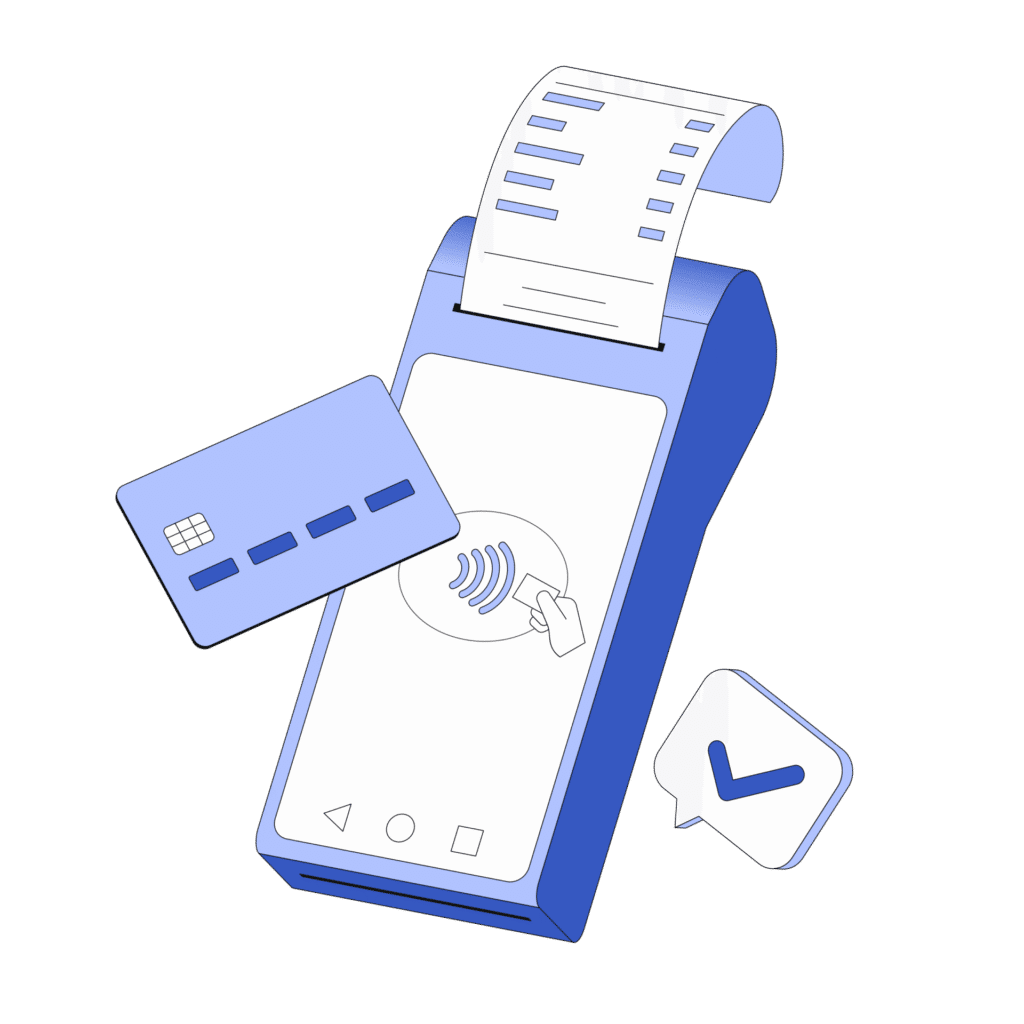
Let’s consider a small retail business that has a high volume of credit card transactions. By analyzing their transaction data, they discover that a significant number of their transactions are non-qualified due to manually entered card information. By upgrading to an EMV terminal and encouraging customers to use standard cards, they manage to reduce their processing costs by a noticeable margin. This change not only saves money but also increases transaction security and customer satisfaction.
Similarly, a startup in the digital space finds that most of their transactions are non-qualified due to the use of rewards cards. By negotiating with their payment processor and optimizing their payment methods, they can save significantly on processing fees. These savings can then be redirected to growth initiatives, such as marketing campaigns or product development, further enhancing their competitive edge.
Conclusion
Understanding the nuances between qualified and non-qualified Visa card transactions is essential for any business that relies on credit card payments. This understanding empowers businesses to make strategic decisions that can reduce fees and improve your bottom line. By analyzing your transaction costs and choosing the right payment processing solutions, you can create a more efficient and cost-effective payment processing system.
Take the time to analyze your transactions, negotiate with your processor, and implement technological solutions that drive efficiency and cost savings. By doing so, you’ll be better equipped to handle the complexities of credit card processing and keep more of your hard-earned revenue. This approach not only ensures financial health but also positions your business to thrive in a competitive marketplace.
Since 2007, Revere Payments and MGI have provided credit card processing for Small Business, Mid and high-risk sectors with tailored payments processing solutions. Partner with us for reliable security and exceptional service, so you can focus on what matters most: growing your business.
Read More...

Discover why supplement & nutraceutical merchants get flagged & learn essential compliance strategies to avoid it. Safeguard your business with our comprehensive guide.

Stay ahead of the game with the 2026 regulatory changes for high-risk merchants in the United States. Discover crucial compliance strategies and risk management insights.

Explore the pros and cons of Shopify Payments vs. Third-Party High-Risk Processors. Make informed decisions for your e-commerce payment solutions and secure your revenue stream.