
Why Are Payment Gateways Important
Consumers today demand convenience, speed, and security when shopping online, and payment gateways provide the backbone for these expectations. They ensure transactions are processed swiftly and securely, fostering trust and repeat business. As we delve deeper into the world of payment gateways, it becomes evident how they serve as the linchpin for successful eCommerce operations, facilitating not just payments but also enhancing the overall customer experience.
A payment gateway is a technology that facilitates the transfer of information between a payment portal (like a website, mobile app, or interactive voice response service) and the front-end processor or bank. It acts as a digital intermediary, ensuring that the transaction process is executed smoothly and securely. By bridging the gap between customers and financial institutions, payment gateways enable online transactions that are both efficient and reliable.
Payment gateways are crucial for ensuring that sensitive financial information is transmitted securely between parties. They employ various protocols and technologies to protect against fraud and unauthorized access, reassuring customers that their data is safe. This trust is essential in the digital marketplace, where concerns about data breaches and identity theft are prevalent.
When a customer makes a purchase online, the payment gateway performs several key functions:
- Encryption: The payment gateway encrypts the transaction details to secure the information passed between the customer, merchant, and bank. This encryption serves as the first line of defense against cyber threats, ensuring that sensitive data remains confidential and protected.
- Authorization Request: It sends the transaction details to the payment processor to request authorization from the customer’s bank or card issuer. This step verifies the customer’s payment method and ensures that sufficient funds or credit are available, preventing declined transactions that could disrupt the purchase process.
- Transaction Approval/Decline: The bank or card issuer returns a message to the payment processor. This message indicates whether the transaction is approved or declined, and this decision is communicated back through the gateway to the merchant and the customer. This real-time feedback is crucial for maintaining the flow of the transaction and informing customers of their payment status.
- Settlement: If the transaction is approved, the bank settles the funds with the merchant’s bank. This step ensures that funds are transferred promptly and accurately, allowing merchants to manage their cash flow effectively and maintain operational efficiency.
- Confirmation: The payment gateway communicates the transaction’s success or failure to both the merchant and the customer. This final step closes the transaction loop, providing both parties with the necessary information to complete the purchase or address any issues that may have arisen.
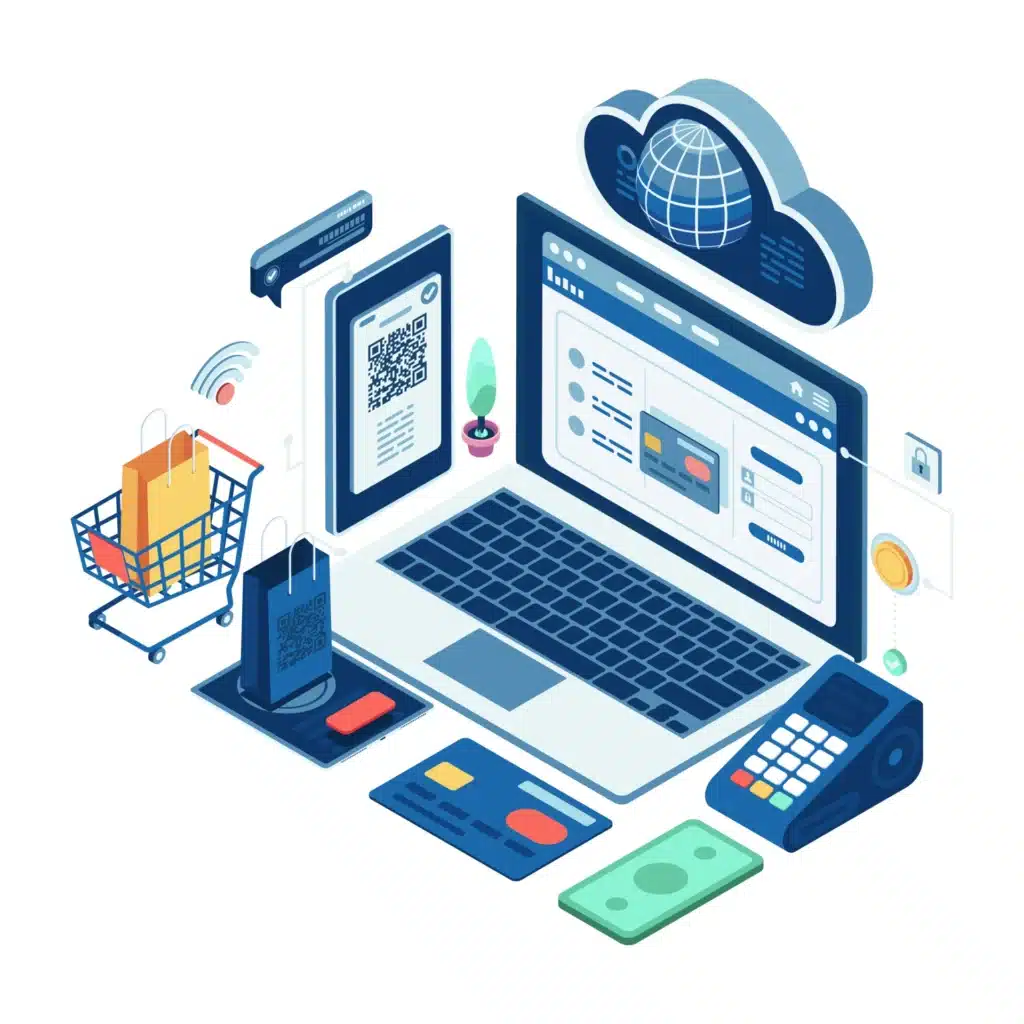
Types of Payment Gateways
There are several types of payment gateways that cater to various business needs:
- Hosted Payment Gateways: These redirect customers to a payment processor’s platform to complete transactions. They are user-friendly and typically offer robust security features provided by the payment processor. However, the redirection can sometimes disrupt the customer experience, potentially leading to cart abandonment if not managed carefully.
- Self-hosted Payment Gateways: These allow businesses to process payments directly on their site, offering a seamless user experience. By keeping customers on the same site, businesses can maintain brand consistency and reduce friction during checkout. However, this approach requires greater security measures and technical expertise to ensure data protection and compliance with industry standards.
- API/Non-hosted Payment Gateways: These use an API to connect the payment processor directly to the business’s website, allowing for a customized payment experience. They offer flexibility and control, enabling businesses to tailor the payment process to their specific needs. However, they also demand a higher level of technical knowledge and ongoing maintenance to ensure smooth operation.
The Importance of Payment Gateways
Payment gateways are vital for both businesses and customers. They offer a range of benefits that make them indispensable in the world of online transactions.
Security and Fraud Prevention
One of the primary functions of a payment gateway is to secure sensitive data. By encrypting payment details, it prevents unauthorized access to customer information. This security is essential in building trust with customers, as they need assurance that their data is protected. Payment gateways also employ advanced security measures such as tokenization, which replaces sensitive information with unique identifiers, further enhancing data protection.
Moreover, payment gateways come equipped with fraud detection tools. These tools identify and flag suspicious activities, helping businesses prevent fraudulent transactions and chargebacks. By analyzing transaction patterns and employing machine learning algorithms, payment gateways can detect anomalies and alert businesses to potential risks before they become problematic.
Enhancing Customer Experience
A smooth and efficient payment process is crucial for a positive customer experience. Payment gateways provide a seamless transaction process by enabling various payment methods, including credit cards, debit cards, and digital wallets. This flexibility ensures that customers can choose their preferred payment option, enhancing their satisfaction and likelihood of completing a purchase. By supporting multiple payment methods, businesses can cater to a wider audience and improve conversion rates.
Additionally, payment gateways streamline the checkout process, reducing the time and effort required for customers to make a purchase. Features such as one-click payments and saved payment information further enhance convenience, encouraging repeat business and fostering customer loyalty.
Global Reach and Scalability
For businesses looking to expand internationally, payment gateways are essential. They support multiple currencies and languages, allowing businesses to cater to a global audience. This capability not only increases potential market reach but also provides businesses with the flexibility to scale their operations without worrying about payment processing logistics. By accommodating diverse payment preferences and regulatory requirements, payment gateways enable businesses to enter new markets with confidence.
Payment gateways also facilitate cross-border transactions, simplifying the complexities of international trade. By handling currency conversions and local compliance issues, they allow businesses to focus on growth and customer acquisition rather than the intricacies of global commerce.
Cost Efficiency
While setting up payment gateways involves initial costs, they ultimately save money for businesses. By streamlining the transaction process and reducing the need for manual intervention, payment gateways lower operational costs. This automation minimizes the risk of human error and reduces the labor required to manage payments. Additionally, their fraud prevention tools help avoid costly chargebacks and financial losses due to fraudulent activities, protecting the bottom line.
Payment gateways also offer cost-effective solutions for scaling businesses. As transaction volumes increase, the efficiencies gained from automated processes and reduced fraud exposure become even more significant, allowing businesses to optimize their resources and focus on growth.
Integration and Automation
Modern payment gateways offer integration with various business tools and platforms, such as eCommerce platforms, accounting software, and customer relationship management (CRM) systems. This integration allows for automated processes, reducing the need for manual data entry and minimizing errors. By seamlessly connecting with existing systems, payment gateways enhance operational efficiency and provide businesses with valuable insights into their financial performance.
Automation also enables real-time reporting and analytics, empowering businesses to make data-driven decisions. By tracking transaction trends and customer behaviors, businesses can optimize their strategies and improve their overall performance.
Choosing the Right Payment Gateway
Selecting the right payment gateway for your business can be challenging, given the numerous options available. Here are some factors to consider when making your choice:
Transaction Fees and Costs
Different payment gateways come with varying fees, including setup costs, transaction fees, and monthly charges. It’s essential to understand these costs and choose a gateway that aligns with your business’s budget and transaction volume. Consider the long-term implications of these costs on your profitability and ensure that the benefits of using a payment gateway outweigh the expenses.
Security Features
Ensure that the payment gateway you choose complies with the Payment Card Industry Data Security Standard (PCI DSS) and offers robust security features like encryption, tokenization, and fraud detection. These features are crucial for protecting sensitive data and maintaining customer trust. Evaluate the gateway’s track record in handling security breaches and its commitment to staying ahead of emerging threats.
Payment Methods Supported
Consider the payment methods your customers prefer and ensure that the gateway supports them. The more payment options available, the better the experience for your customers. Look for gateways that support emerging payment technologies, such as mobile payments and cryptocurrencies, to future-proof your business.
Customer Support
Reliable customer support is crucial in case of technical issues or queries. Choose a payment gateway provider that offers excellent customer support to ensure smooth operation. Evaluate the provider’s response times, availability, and the quality of their support resources, such as online documentation and tutorials.
Ease of Integration
The payment gateway should seamlessly integrate with your existing systems and platforms. This ease of integration will streamline processes and reduce potential disruptions. Consider the technical requirements and resources needed for integration, and assess whether your business has the necessary capabilities to implement and maintain the gateway effectively.
Conclusion
Payment gateways play a pivotal role in the world of online transactions. They provide the security, efficiency, and flexibility needed to cater to a diverse range of customers and business needs. By choosing the right payment gateway, businesses can enhance their customer experience, expand their reach, and ensure safe and efficient payment processing. As eCommerce continues to grow, the importance of robust payment processing services and online payment solutions cannot be overstated. As you consider your business’s needs, ensure you select a payment gateway that aligns with your goals and supports your growth.
In the rapidly evolving digital landscape, staying ahead of payment processing trends and technologies is crucial for maintaining a competitive edge. By leveraging the right payment gateway, businesses can not only meet current customer expectations but also adapt to future changes in the market. Ultimately, the success of an online business hinges on its ability to provide a seamless, secure, and satisfying payment experience for its customers.
Since 2007, Revere Payments and MGI have provided credit card processing for Small Business, Mid and high-risk sectors with tailored payments processing solutions, including transparent pricing. Partner with us for reliable security and exceptional service, so you can focus on what matters most: growing your business.
Read More...

Discover why supplement & nutraceutical merchants get flagged & learn essential compliance strategies to avoid it. Safeguard your business with our comprehensive guide.

Stay ahead of the game with the 2026 regulatory changes for high-risk merchants in the United States. Discover crucial compliance strategies and risk management insights.

Explore the pros and cons of Shopify Payments vs. Third-Party High-Risk Processors. Make informed decisions for your e-commerce payment solutions and secure your revenue stream.